
Promote Awareness. Motivate Change.
Dialogue
Below highlights how topics are organized into discussions and explored as part of the Quorum agenda.

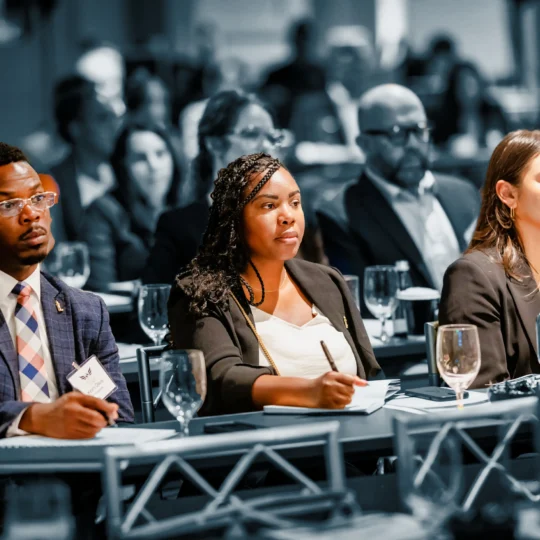

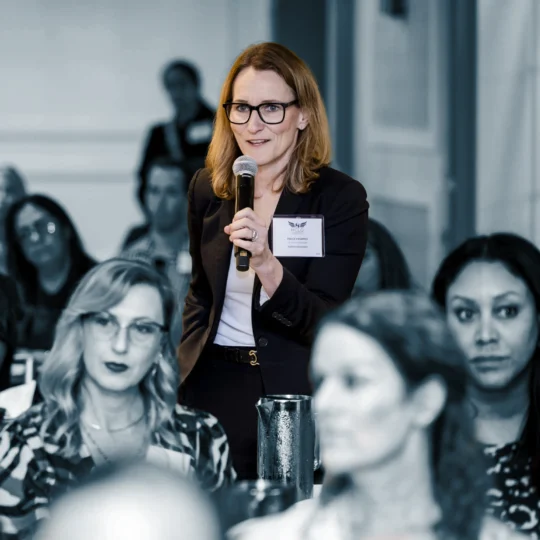

Panel
EMTALA & Mandatory Care
Emergency departments are often the front door to healthcare in moments of crisis — and, for many patients, the only reliable point of access.
This panel explores mandatory care obligations, EMTALA, and the realities facing hospitals, emergency physicians, and healthcare systems when care must be delivered regardless of insurance status, financial resources, or system capacity.
Matters
In a city as large and diverse as Houston, emergency care reflects many of the pressures facing healthcare systems across Texas — access gaps, underinsured patients, capacity strain, and complex community needs.
This conversation keeps focus on the forgotten patient, while exploring the impact on hospitals, clinicians, and the systems built to serve them.
Opening Panel

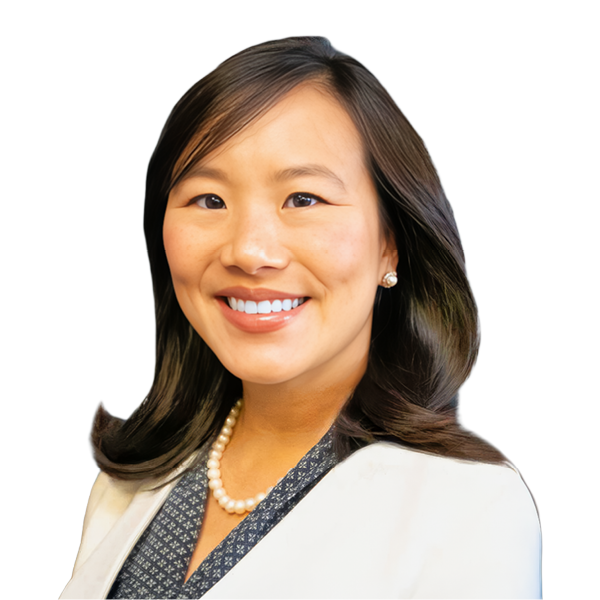
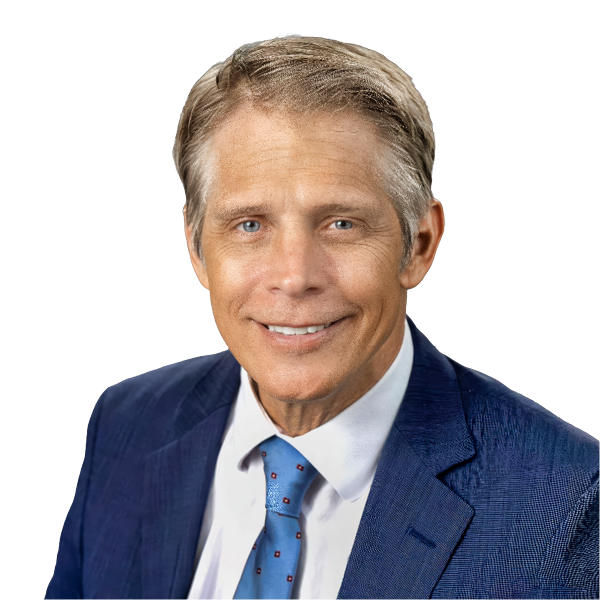
Panel
Challenges Facing Rural Healthcare
Hospitals, healthcare organizations, clinicians, and local leaders all play a critical role in supporting care for communities that often face added barriers tied to distance, workforce availability, service limitations, and timely access.
This panel explores the realities facing rural communities and the patients who depend on them, while highlighting the partnerships, innovation, and strategic solutions helping bring care, resources, doctors, nurses, and support closer to home.
Matters
Rural healthcare challenges can quickly become community challenges — affecting access, outcomes, local stability, and the ability for patients to receive care close to home.
This conversation keeps focus on the forgotten patient in rural communities, while exploring what it takes, what is being done, and how leaders are creating paths forward where access remains limited.
Speakers
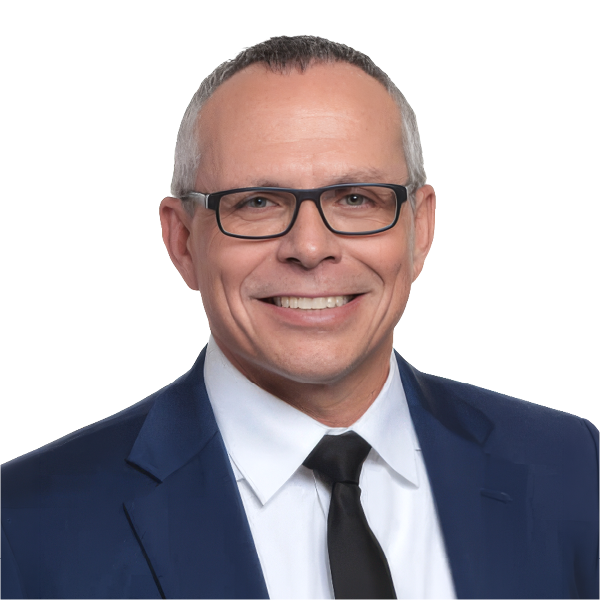
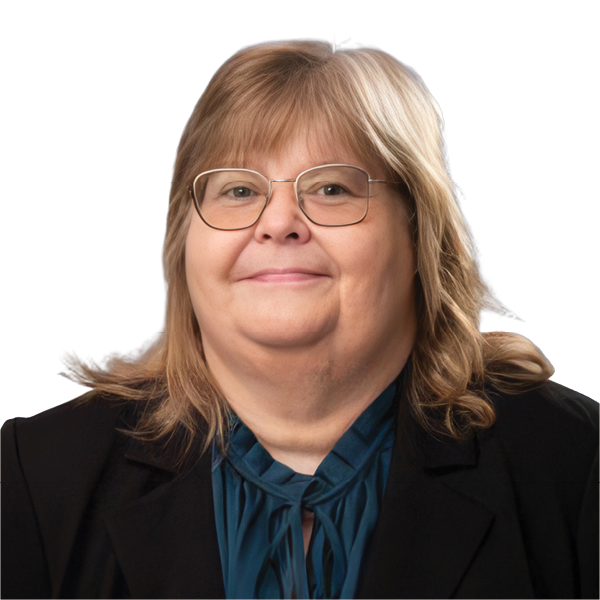
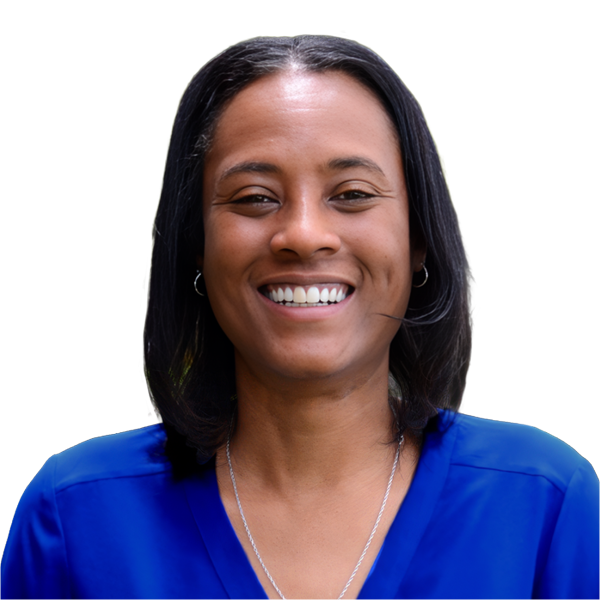
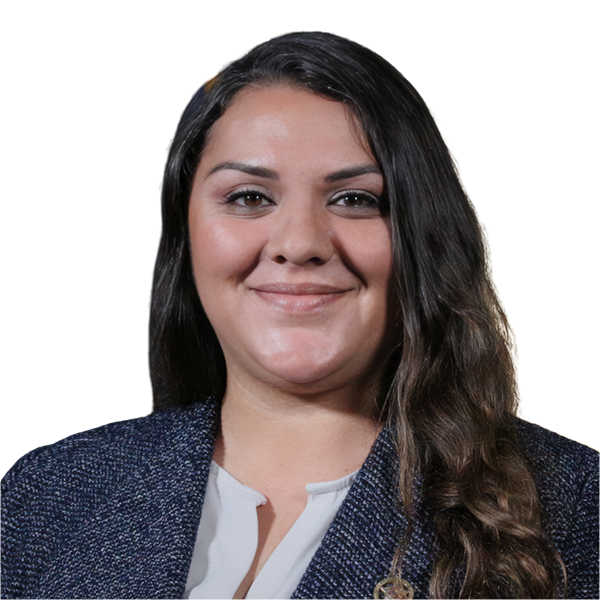
These are the people bringing each conversation closer to the patients and communities — leaders who understand access, system pressure, community needs, and the work required to move meaningful conversations forward.


Panel
Human Trafficking & Healthcare
Human trafficking can intersect with healthcare in moments when victims may be seen, treated, or supported — even if their situation is not immediately recognized.
This panel explores the role healthcare leaders, clinicians, advocacy organizations, and community partners can play in identifying vulnerable individuals and connecting them to care, safety, and support.
Matters
Human trafficking impacts our communities in ways that are often hidden, but deeply felt — affecting vulnerable individuals, families, neighborhoods, workplaces, and the systems built to support them.
This conversation keeps focus on victims who may otherwise go unseen, while exploring how healthcare awareness, community coordination, and stronger pathways to support can help identify need and respond with care.
Closing Panel


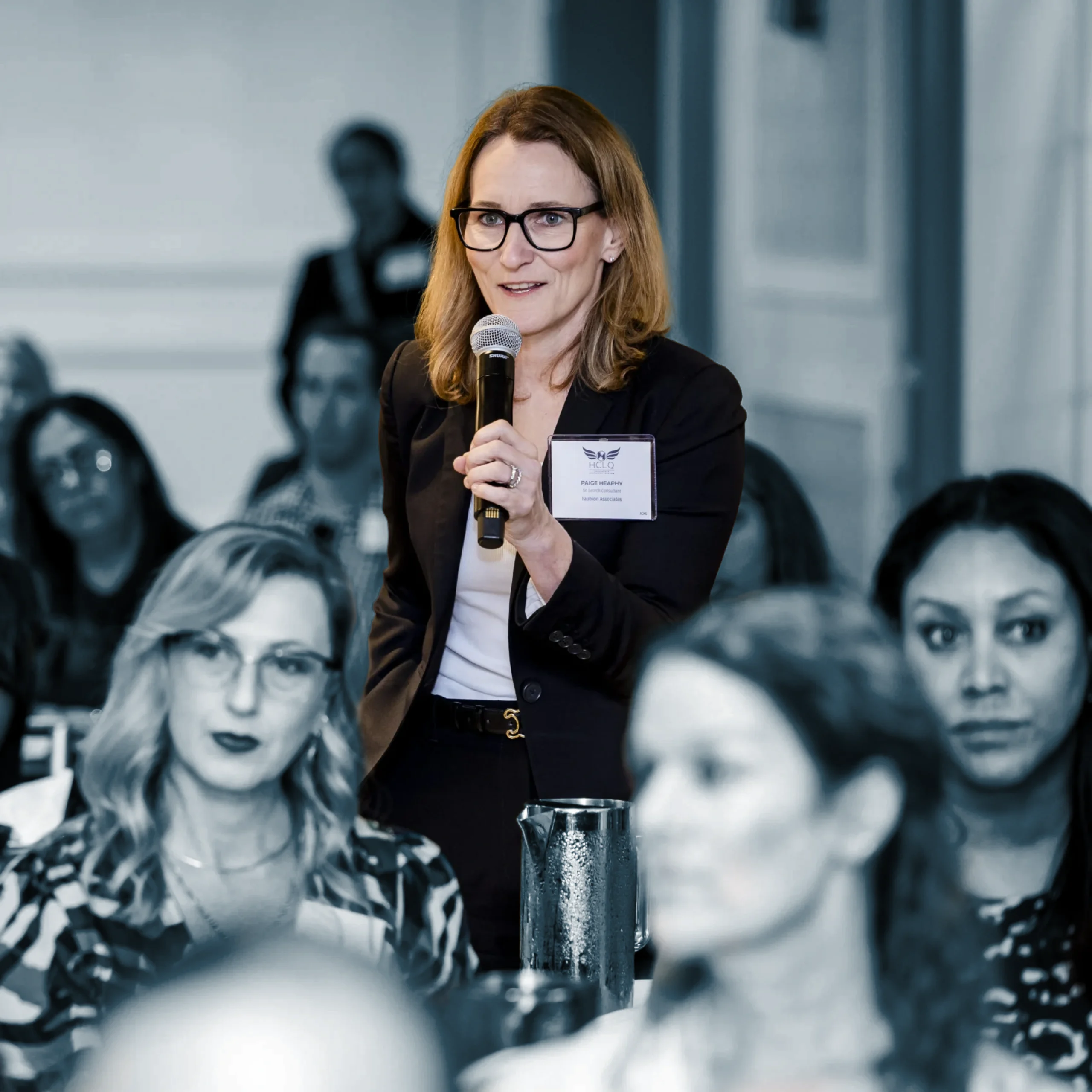

Connect
Cocktails & Networking
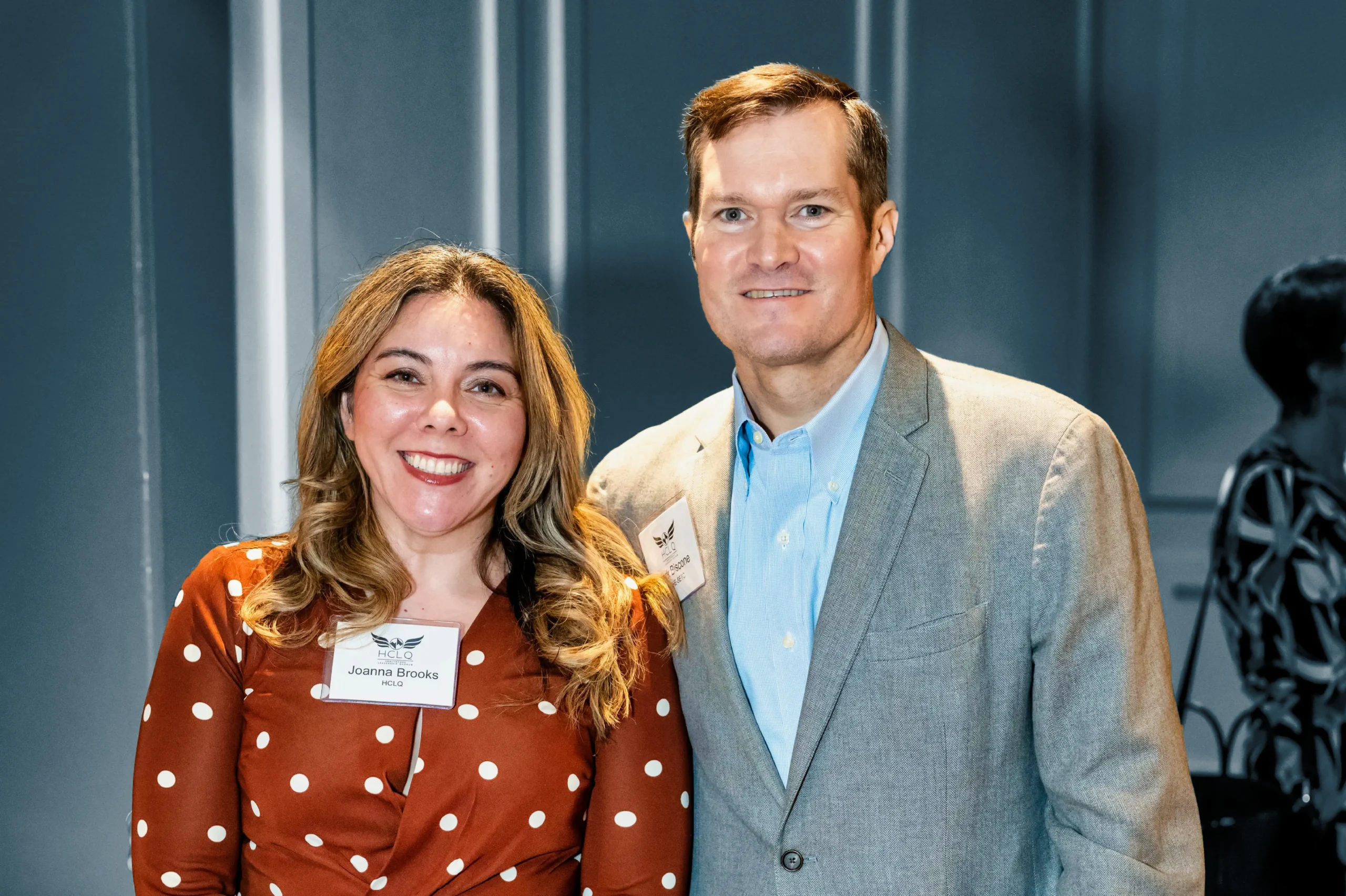
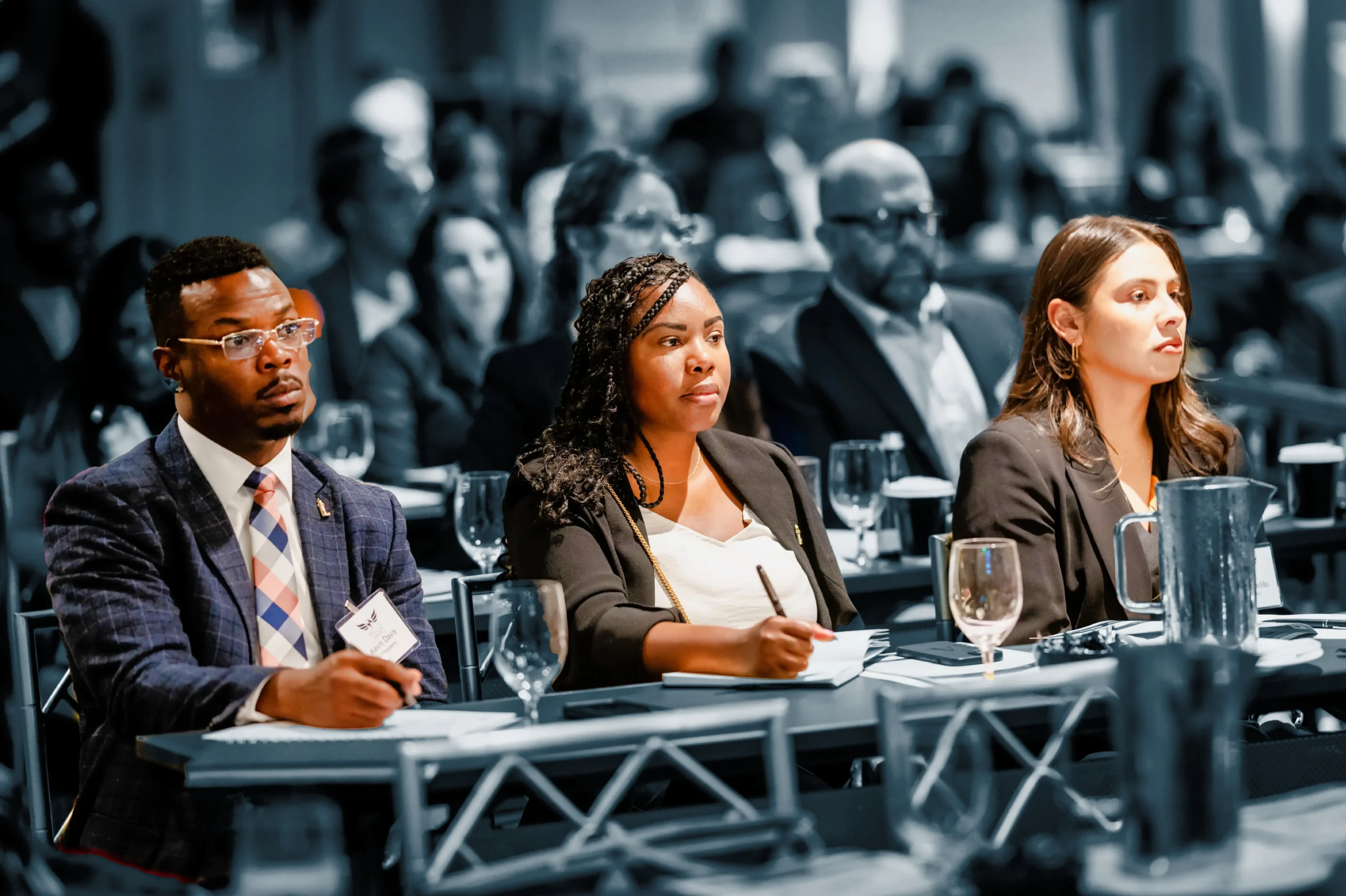
At HCLQ, our gathering is designed to spark meaningful exchange — not just during sessions, but long after the panel discussions wrap. The conversations that begin on stage are meant to be carried forward: into the reception, into your next project, into the way you lead and build within healthcare.
This isn’t networking for networking’s sake. It’s about fostering connection around ideas that matter — and creating space to process, challenge, and apply what we’ve heard from the voices shaping the system.
Matters
We promote awareness by putting the right leaders and voices in the room — and we motivate change by making space to carry those insights forward.
Our Quorums are curated to give you time to reflect, engage, and connect — so the impact doesn’t end with applause… It continues in how we collaborate, decide, and lead after we leave.
Promote Awareness. Motivate Change.
Between Panels